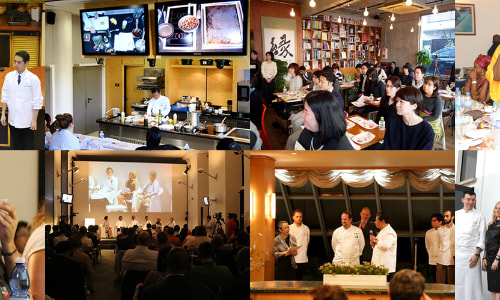

Experts from around the world share their thoughts on umami and original recipes where umami is brought to life.
 |
Britain's most respected and progressive chef and culinary researcher, Heston Blumenthal, shares his ideas on umami and an original recipe.
 |
 |

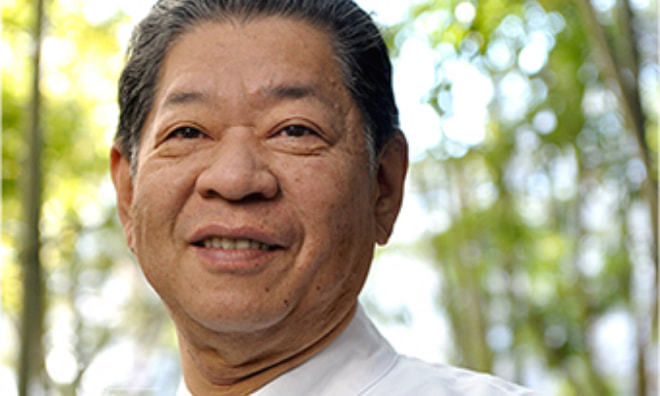
Heston Blumenthal
Owner / Chef of The Fat Duck, UK |
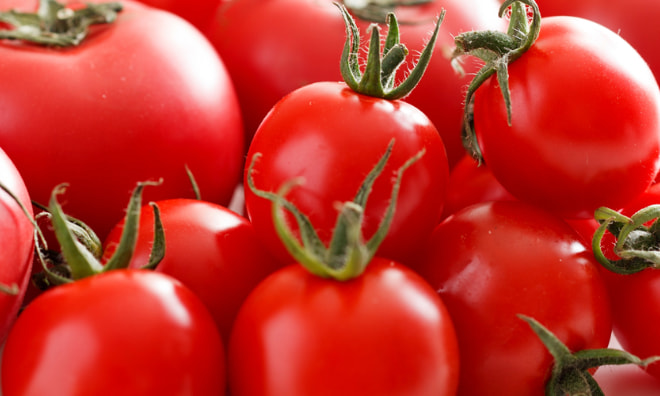
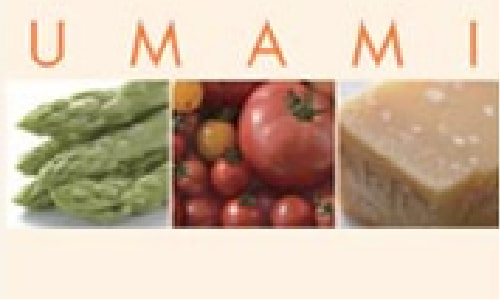
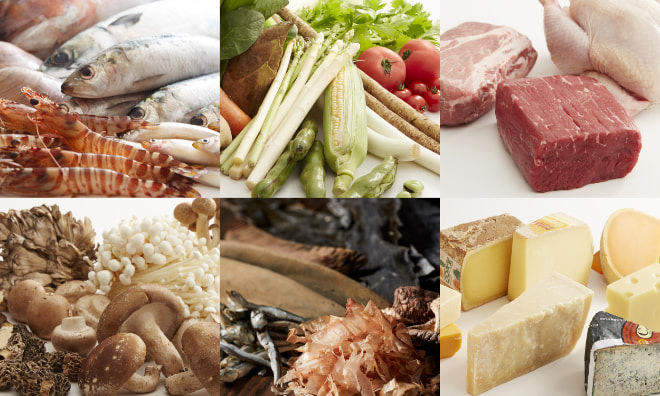
“Umami is a subject very close to my heart. Although umami was identified in Japan, it’s not an Eastern phenomenon. It is present in all kinds of foods familiar to us: anchovies, bouillon bouillabaisse, gumbo, soy sauce, ketchup, Marmite and those pizza staples, Parmesan and tomatoes. We might not be conscious of it, but by eating foods such as pizza, which includes cheese and tomato, we have gone for foods which are high in umami without realising it."
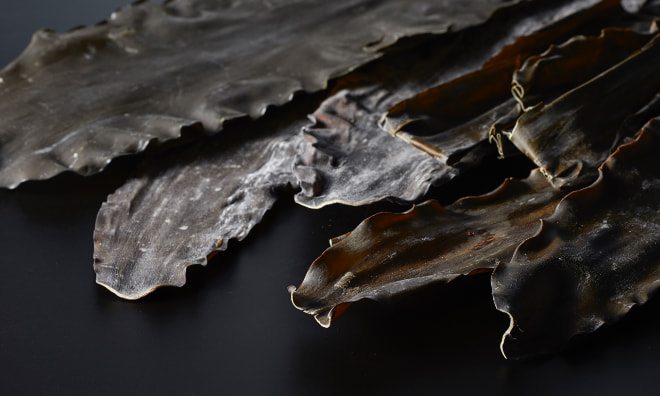
“At the Fat Duck, we often incorporate those umami-rich ingredients tastes that might be called inherently Japanese, like kombu and dashi, into dishes which they are not usually associated for an intense umami hit. I particularly like working with pulverized kombu, because its presence is often undetectable but its impact is undeniable. Umami is basically a taste that all human beings have but many just do not recognize. It is a subject very close to my heart.” |
 |
 |
Heston Blumenthal’s Profile
Hailed as the most progressive chef of his generation, Heston Blumenthal is renowned for creating dishes that challenge conventions and push the boundaries of culinary innovation. His restaurant, The Fat Duck in Berkshire, UK holds three Michelin Stars and was voted best restaurant in the world in 2005. |

Chef Heston Blumenthal's
‘The Sound of the Sea’
‘The Sound of the Sea’ is a culinary invention based around the taste, aroma, and the overall experience of the seaside. Umami-rich sea-related flavours are used to conjure up a nostalgic memory of a seaside experience in the diner. Following our research into sound and multi-sensory aspects of gastronomy, which showed how much sound can alter perception of flavour, the dish is also served with an iPod playing sounds of the seaside to immerse the guest in their own individual memories whilst they experience the dish.
Ingredients:
To serve (serves 1) |
| ponzu (see part 1)
|
2tsp‘sand’ (see part 1)
|
| 2g dulse seaweed (see part 2)
|
2g hijiki seaweed (see part 2)
|
1‘seashell’ (see part 2)
|
3 slices (1/2-1/3) razor clams, thinly sliced
(see part 2) |
| 1 oyster (see part 2) |
| 1,000ml final sauce (at room temperature) (see part 2) |
| sea urchin 'tongues (see part 2) |
| 1 level tsp reserved fried shirasu |
| 2g fresh Codium spp. seaweed, washed in several changes of cold water and separated into pluches |
trimmed samphire (approximately 3 x 5cm pieces per portion)
Photography:www.yayoiworld.com |
|
Method:
|
| |
|