
The 2nd Umami Lecture has held at the Shinjuku Culinary Institute
June 2026
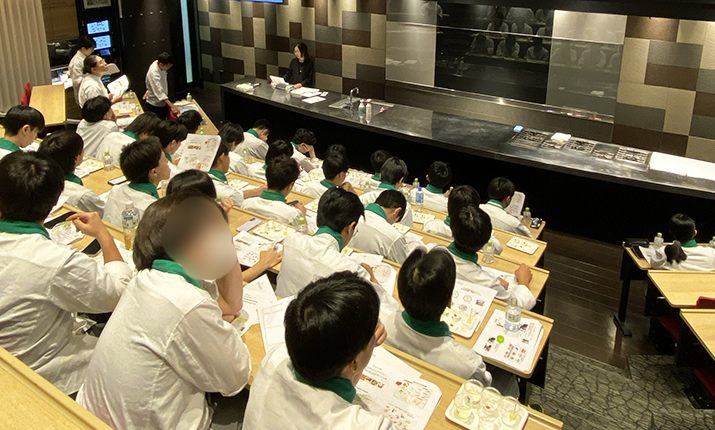
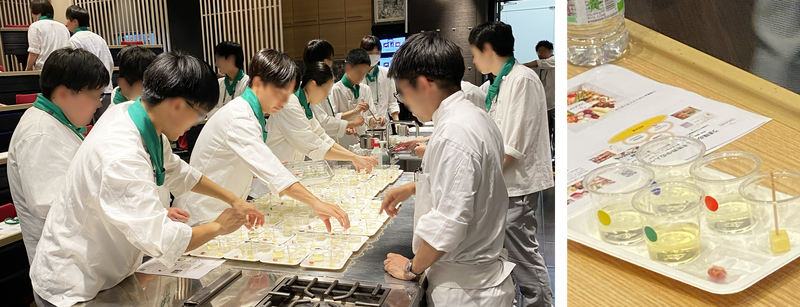
On June 2, 2026, the Umami Information Center (UIC) had a special umami lecture with practical session at the Shinjuku Culinary Institute*.
The lecture, titled “Understanding Umami, Sensing Umami,” was held for the second-year students at the college’s request. This was the second time the umami lecture had been held, following last year’s session.
*The Shinjuku Culinary Institute is a culinary school that will celebrate its 60th anniversary this August. All students learn culinary techniques across a wide range of fields, including Japanese, Western, and Chinese cuisine, as well as pastry arts.
Umami is the fifth basic taste, discovered during the Meiji era by the Japanese chemist Dr. Kikunae Ikeda. Unlike the other basic tastes—sweet, sour, salty, and bitter— umami is a subtle taste, so it may be difficult to immediately picture what umami tastes like. However, it plays a significant role in making food delicious.
So, what exactly does umami taste like? What are its characteristics, and how does it contribute to the deliciousness of food and our health?
The UIC Director Yasue Kido, who served as the lecturer, gave a lecture using some umami-rich ingredients, such as sun-dried tomatoes, kombu dashi, and cheese, to help the students recognize umami.
One of the students was deeply impressed as he tasted the samples. Carefully tasting the sun-dried tomato, he remarked in admiration, “I had no idea there were so many different basic tastes in a tomato!”
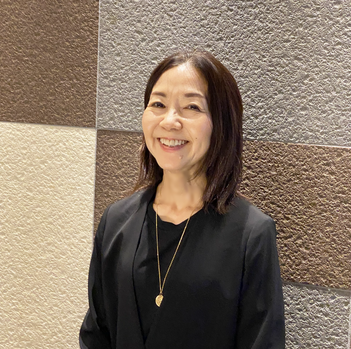
Furthermore, Kido explained the “umami synergy”—the effect where the intensity of umami increases 7 to 8 times when amino acid-based and nucleic acid-based umami components combine—using kombu dashi and katsuo dashi. She guided the students through a tasting session, allowing them to experience and understand this effect using their own taste buds.
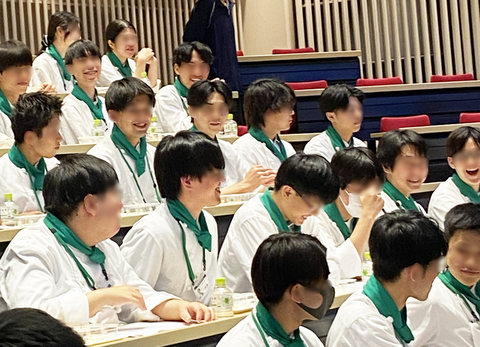
The students, who aspire to become culinary professionals, were fully engaged in the session. They tasted umami-rich ingredients while sharpening their senses and listened to their classmates’ impressions of the changes in taste and flavor brought about by umami. The expressions on their faces—especially when they were surprised by the umami synergy—were particularly memorable.
“When tasted on their own, kombu dashi and katsuo dashi have a bland flavor. But when combined, umami taste and flavor become more intense”.
“Combined dashi is super rich”.
“Katsuo dashi on its own tastes sharp”.
Some students were seen tasting the dashi again while listening to others’ opinions.
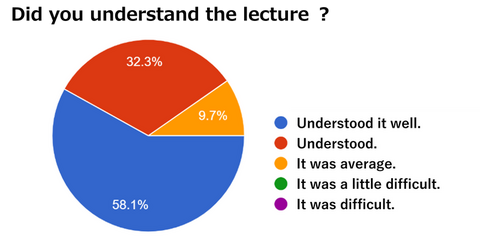
In the post-lecture survey, 90% of respondents answered that they “understood very well” or “understood.” We also received many positive comments, such as that it was great to experience umami through the tasting, that the lecture was very easy to understand, and that it was fun.
Umami substances bring out the natural flavors of ingredients and highlights them.
“I hope to become a Western-style chef.”
“I plan to pursue a career in Chinese cuisine.”
“I'm also interested in growing high-quality vegetables as a producer.”
The career paths the students were pursuing were diverse. However, we believe that through this special lecture, they came to understand that no matter which cuisine they pursue - whether Japanese, Western, Chinese, or ethnic cuisine - there is a common taste shared across all types of cuisine: “umami.”
In the future, they will surely encounter situations where they can use umami and umami-rich ingredients to make their dishes taste even better. We hope that the students will achieve their future dreams and make full use of the knowledge they gained in this course.
Please also see the pages below:
Umami Rich Ingredients: https://www.umamiinfo.com/richfood/
What is Dashi: https://www.umamiinfo.com/japaneseumami/whatisdashi/